Skip to content
Conference banner

BSGCT Conference Speakers

We are assembling a stellar lineup of speakers who are leaders in the gene and cell therapy community. Stay tuned for exciting announcements about our keynote speakers, panel discussions and presentations

Call for Abstracts – Now Open!

We’re inviting experts, innovators, and thought leaders to share their insights at this year’s Annual Conference. A number of abstract speaking opportunities are available across a range of themes and session formats.
If you have new research, case studies, or ideas that can inspire and inform our audience, we’d love to hear from you.

Submit your abstract today for the chance to present on the main stage and connect with peers from across the industry.

Plenary Speakers

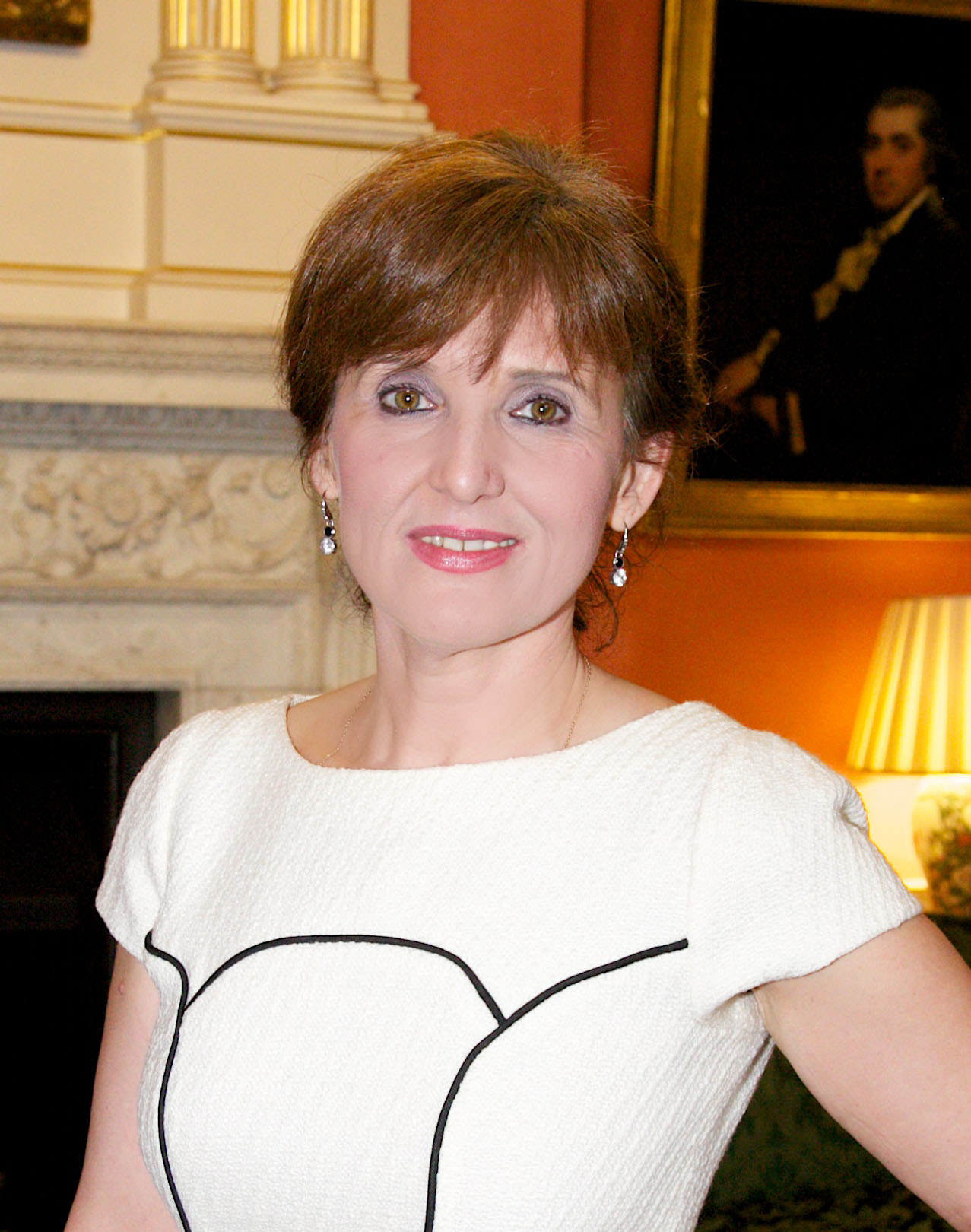
Professor Majlinda Lako

Professor Majlinda Lako is Chair of Stem Cell Sciences at the Biosciences Institute, Newcastle University. She earned her BSc from the University of Tirana and PhD from Newcastle University, before completing postdoctoral training in stem cell biology at the University of Durham.

Appointed to the Institute of Human Genetics in 2003, she became Professor in 2009 and later served as Deputy Director of the Institute of Genetic Medicine. Professor Lako’s research has significantly advanced the understanding of human eye development and regenerative therapies for blinding diseases.

Her group pioneered the derivation of human embryonic stem cells in the UK and developed translational applications, including animal-free expansion of corneal epithelial stem cells successfully transplanted in patients. Her lab also created the first light-responsive retinal organoids capable of restoring visual function in mice.

Her current work explores gene therapy approaches for inherited retinal disease using patient-derived retinal organoids and retinal pigment epithelial cells.

Professor Sir Munir Pirmohamed

Professor Sir Munir Pirmohamed (MB ChB, PhD, FRCPE, FRCP, FFPM. FRSB, FBPhS, FMedSci) is David Weatherall Chair in Medicine at the University of Liverpool, NHS Chair of Pharmacogenetics, and a Consultant Physician at the Royal Liverpool University Hospital.

He is Director of the Centre for Drug Safety Sciences, Director of the Wolfson Centre for Personalised Medicine, and Director of HDR North. He is also leading a recently awarded Centre for Excellence in Regulatory Science and Innovation in Pharmacogenomics. He is an inaugural National Institute for Health and Care Research Senior Investigator, Fellow of the Academy of Medical Sciences in the UK, and Honorary Fellow of the Faculty of Pharmaceutical Medicine.

He is Chair of the Commission Human Medicines, and a medical trustee for the British Heart Foundation. He was President of British Pharmacological Society from January 2020-December 2021, and President of the Association of Physicians in 2023.

He was awarded a Knights Bachelor in the Queen’s Birthday Honours in 2015. His research focuses on personalised medicine, clinical pharmacology, data science and drug safety in a variety of disease areas.

He has published over 700 papers and has an H-index of 127

Speakers

Professor Steven Pollard

Steve is Professor of Stem Cell and Cancer Biology at the University of Edinburgh. His PhD studies in developmental genetics were performed at the NIMR in Mill Hill, London (now The Francis Crick Institute). As a postdoctoral scientist with Prof Austin Smith FRS at the University of Cambridge his research focussed on gene regulation in mammalian stem cell biology. Latterly, as a Wellcome Beit Fellow, he uncovered the core transcriptional and epigenetic programs that operate in neural stem cells and revealed these are often highjacked by brain cancers, such as glioblastoma.

Steve established his own independent laboratory in 2010 at the UCL Cancer Institute (London), before moving in 2013 to the MRC Centre for Regenerative Medicine and Edinburgh Cancer Research Centre in Edinburgh. He held the prestigious Cancer Research UK (CRUK) Senior Fellowship and, in 2017, was promoted to full Professor. His laboratory continues to study the molecular and cellular mechanisms that regulate stem cell identity and differentiation and how these operate in the context of human cancer.

He is currently the Director of the CRUK Brain Cancer Centre of Excellence and Associate Director of the CRUK Scotland Centre. He is part of the senior leadership team for the UK Engineering Biology Mission Hub, based in Edinburgh. Steve is also Founder and Chief Scientific Officer of Trogenix, a biotech uniting cutting-edge technologies in genomics, oncology, immunotherapy, and gene therapy to create new precision immunotherapies, focussing on glioblastoma.

Professor Francesca M. Spagnoli

Francesca Spagnoli is a Professor for Regenerative Medicine at King’s College London. After graduating from Medical School, Francesca obtained her Ph.D. in Developmental Genetics from the Pasteur Institute in Paris, France. She then conducted postdoctoral research at The Rockefeller University, New York, USA, with Dr A. Brivanlou. In 2008, she established her independent research group at the Max Delbrück Center in Berlin, Germany, where she initiated new lines of investigation on the control of pancreatic cell identity and lineage reprogramming strategies. Subsequently, in 2018 Francesca moved her group to the Centre for Stem Cells and Regenerative Medicine, King’s College London, UK. She has been the recipient of prestigious awards, including ERC Starting and ERC Proof-of-Concept grants, Wellcome Trust Investigator award, and EIC FET-Open consortium. She is currently the Director of the Wellcome Trust PhD Programme in ‘Advanced Therapies for Regenerative Medicine’ and the Coordinator of a multidisciplinary Type 1 Diabetes Grand Challenge research programme funded by Steve Morgan Foundation/JDRF/Diabetes UK to develop innovative bioengineering solution for diabetes cell therapy. The long-term goal of her research is to translate developmental concepts into new therapies.

Professor Guillaume Hautbergue

Professor Guillaume Hautbergue is an RNA biologist investigating the molecular mechanisms of gene expression in neurodegeneration for the development of novel gene therapies and RNA therapeutics. in 1990, he was awarded the First National Prize in Biochemistry for France and French Overseas Countries in the competitive secondary school examination “Concours Général”.

He further obtained a Senior Technologist’s Certificate and a MSc degree in Biochemistry prior to undertaking a PhD in Molecular and Cellular Biology at “Ecole Normale Supérieure” and “Commissariat à l’Energie Atomique” in Paris. His PhD research pioneered the investigation of a non-cyclic cyclin-dependent kinase involved in the regulation of transcription by the RNA polymerase II. He then moved to the Universities of Manchester (UMIST) and Sheffield for his post-doctoral studies, which established the structural and molecular basis for the roles of nuclear export adaptors in the transport of human mRNAs from the nucleus to the cytoplasm.

He was appointed to a tenured position in the Sheffield Institute for Translational Neuroscience in 2015 for the identification and manipulation of altered RNA alterations in neurodegenerative diseases, focusing on amyotrophic lateral sclerosis/ frontotemporal dementia (ALS/FTD). He has particular interest in the genome-wide identification of disease-altered gene expression (transcriptomes & translatomes) and in the characterisation of RNA nuclear export factors and repeat-associated non-AUG (RAN) translation.

A programme of promising gene therapy approaches targeting the nuclear export of pathological C9ORF72 repeat transcripts in the most commonly known genetic cause of ALS/FTD led to several pending and granted patents for the use of SRSF1 antagonists in the treatment of neurodegenerative disorders. He is also the Founding Director and Chief Scientific Officer of Crucible Therapeutics, a University of Sheffield spinout company which aims to bring advanced therapeutic medicinal products into clinical trials. In 2019, he was invited and elected Fellow of the Royal Society of Biology (FRSB).

Professor Mimoun Azzouz

Mimoun Azzouz is currently Professor of Translational Neuroscience and Director of Gene Therapy Innovation & Manufacturing Centre (GTIMC) at the University of Sheffield. His pioneering work, which has already produced major breakthroughs, led to real translational impact into major therapeutic advances for human neurodegenerative diseases. His team was the first to demonstrate spectacular success of SMN gene therapy in mouse models of spinal muscular atrophy. This gave confidence to develop this concept for human trials in SMA leading to new licensed therapy. The pioneering work in his team generated a body of dramatic therapeutic effects, supported by pharmocodynamic biomarkers, in pre-clinical models of both SOD1-ALS which have stimulated uptake of this concept into human trials. His work led to the first human clinical trials in Parkinson’s disease using direct brain delivery of a lentivector-mediated dopamine replacement. A successful translational story emerged from my team by generating compelling efficacy and safety data of a gene therapy for patients with HSP47. This approach received FDA clearance to enter clinical trials in patients.

He successfully attracted a unique combination of substantial funding from public, private, charity and local authority to establish the Gene Therapy Innovation and Manufacturing Centre (GTIMC), a centre which increase UK capacity to supply clinical vectors to treat human diseases, translational support and skills and training. He co-led (with Roche) the ‘Accelerating Research & Development for Advanced Therapies’ (ARDAT: www.ardat.org), a €25.5M EU IHI consortium, which includes 34 partners to accelerate the research and development of Advanced Therapy Medicinal Products (ATMPs). ARDAT is covering several medical science areas including neurodegeneration, cardiovascular, blood disorders, immunology, regulatory science.

His passion to shape and influence therapy development across the medical science community and generate impact for a wider society are demonstrated by: As scientific founder of BlackfinBio and co-founder of Crucible Therapeutics. He played important role in securing investments to progress promising therapeutics to benefit patients through commercialisation journey. Since 2006, He has supervised the research training of 81 individuals. It is widely recognised the need for different careers in ATMPs due to its rather lengthy timelines. He is making important contribution to evolve this in the UK Community.

His leadership has been recognized by several prestigious awards and prizes. He is acting as member of Panels/Boards of funding bodies, Scientific Advisory Board memberships, Evaluation Committees, keynote and plenary lectures at established international meetings/institutions. He is inventor on several patents and co-founder university start-ups companies.

Professor Paul Gissen

Paul Gissen is a Clinical Professor of Paediatric Metabolic Medicine at UCL Great Ormond Street Institute of Child Health, Honorary Consultant Paediatric Metabolic Diseases at GOSH and a NIHR Senior Investigator.

He is the Director Designate of the National Institute for Health and Care Research GOSH Biomedical Research Centre (NIHR GOSH BRC) and leads the Gene, Stem and Cellular Therapies. He is also the UK Chief Investigator for a number of industry and academic sponsored clinical trials of novel therapies.

Professor Gissen obtained his medical degree from the University of Glasgow and trained in paediatrics at Manchester, Sheffield and Birmingham Children’s Hospitals specialising in inherited metabolic disorders. He undertook his PhD at Birmingham University where he identified genetic causes of several rare paediatric diseases.

His research interests are in developing novel gene-based therapies for Rare Paediatric Metabolic Disorders.

Professor Anne Rosser

Anne Rosser is Professor of Clinical Neuroscience at Cardiff University and Honorary Consultant Neurologist at the University Hospital of Wales. She undertook her medical training and PhD at Cambridge University and completed specialist training at the National Hospital for Neurology in London and Addenbrookes hospital in Cambridge. She moved to Cardiff in 2001, where she directs the Cardiff University Brain Repair Group and is deputy director of the Wales Advanced Neurotherapeutics Centre (ANTC), which delivered the AMT-130 gene therapy to participants with Huntington’s disease (HD) in the UK. She has a longstanding interest in HD and was Chair of the European HD network from 2018 to 2024.


Professor Claire Booth

Claire is a Professor of Paediatric Immunology and Gene Therapy at UCL Great Ormond Street Institute of Child Health, leading the stem cell gene therapy programme. She oversees gene therapy trials for immune deficiencies, haematological, and metabolic disorders, focusing on developing novel treatments for immune disorders. Claire has extensive experience in leading first-in-human clinical trials and translating research into clinical practice. As an attending physician, she manages patients with immunodeficiencies, including stem cell transplants, with a particular interest in HLH disorders. Claire is an elected board member of the European and American Societies of Gene and Cell Therapy, holds an honorary position at Boston Children’s Hospital and Harvard Medical School, and co-founded the AGORA Foundation to improve access to gene therapies for ultra-rare diseases.

Professor Catherine Green

Catherine Green is Professor of Clinical Biomanufacturing at the University of Oxford, where she heads the Nuffield Department of Medicine’s Clinical Biomanufacturing Facility and is a Fellow at Exeter College, Oxford.

Currently, Professor Green specialises in creating vaccines for clinical trials. She and her team at the have manufactured several novel vaccines for first-in-human trials, targeting diseases such as malaria, Ebola virus, tuberculosis, influenza, Zika virus, Middle East respiratory syndrome and rabies, amongst others.

In 2021, Green was awarded an OBE for her services to science and public health following her significant contribution as manufacturing lead in the development of the OxfordAstraZeneca COVID-19 vaccine.

Professor Rajvinder Karda

Rajvinder Karda is a Professor In Gene Therapy at the Institute for Women’s Health, UCL. She completed her PhD in Gene Transfer and Neuroscience at Imperial College London in 2016. Her research team mainly focuses on developing pre-clinical gene therapy and RNA editing treatments for childhood neurological disorders. Dr Karda has received funding as a principal investigator from MRC DPFS, LifeArc, GOSH Charity, Dravet Syndrome UK Charity, Cure DHDDS charity and Venture Capital funds. She also collaborates on pre-clinical gene therapy projects for rare childhood metabolic disorders. She is currently a board member of the British Gene and Cell Therapy Society and a member of the Scientific Advisory Committee for the Dravet Foundation Charity in Spain and Cure DHDDS Charity in the UK.

Professor Wouter de Laat

Wouter de Laat obtained his PhD (1998) in molecular biology at the Erasmus University and is currently Head Research Genetics and professor in Biomedical Genomics at the UMC Utrecht & Oncode Institute. Wouter de Laat founded biotech company Cergentis (now Solvias NL), received national (VIDI, VICI) and international (ERC) career grants and is an elected EMBO member. Between 2008-2024 he was a group leader at the Hubrecht Institute, where his team pioneered the use and development of 3C-based technologies. They made original discoveries in the field of gene regulation and 3D genome organization, including first demonstration of chromatin looping between distal enhancers and genes. His current research at the UMC Utrecht is more translational, aimed at developing and implementing non-invasive prenatal diagnosis for monogenic diseases and exploring the therapeutical benefits of Del2Rec, a novel method that involves genomic deletions to recruit enhancers for gene reactivation.

Dr Susana Navarro

Dr. Susana Navarro is a scientific researcher at the Division of Hematopoietic Innovative Therapies, CIEMAT, Madrid, Spain.

Her research has contributed to the development of gene therapy tools and preclinical studies for lentiviral-based gene therapy approaches targeting hematopoietic disorders such as Fanconi anemia (FA), pyruvate kinase deficiency (PKD), and Diamond-Blackfan anemia (DBA). She has played a key role in the design and follow-up of lentiviral gene therapy clinical trials and has participated in the development of five orphan drugs and five patents related to gene therapy treatments for these diseases.

In addition, she was instrumental in establishing the Good Manufacturing Practice (GMP) facility at the Biomedical Innovation Unit, where she served as a supervisor of the CliniStem production department for several years.

Currently, Dr. Susana Navarro leads a research project focused on the field of gene therapy for Diamond-Blackfan anemia and she´s developing a Phase I/II lentiviral gene therapy clinical trial for RPS19 deficient patients.

Professor Volker Straub

Professor Volker Straub is the Director of the John Walton Muscular Dystrophy Research Centre and Deputy Dean for Newcastle University’s Translational and Clinical Research Institute.

He is a Consultant in Neuromuscular Genetics and an NIHR Senior Investigator. Volker has a long-standing interest in disease mechanisms of genetic muscle diseases, with activities involving diagnostics and clinical trials.

He is currently the co-chair of the National Clinical Group for the Advanced Therapies Treatment Centre (ATTC) network.

Professor Fiona Thistlethwaite

Professor Fiona Thistlethwaite MB BChir PhD MRCP is a Medical Oncology Consultant within the ECMT (Experimental Cancer Medicine Team) at The Christie NHS Foundation Trust and Honorary Professor of Experimental Immunotherapy at The University of Manchester.

Professor Fiona Thistlethwaite has been actively involved in clinical trial development for many years with a research focus on early phase clinical trials in immune-oncology, particularly adoptive cell therapies, combination immunotherapies and immune biomarkers. She is the clinical lead for the Advanced Immune and Cell Therapy Team at The Christie and Medical Director of the NIHR Christie Clinical Research Facility which is delivering over 400 oncology trials to patients each year. Fiona is also the Director of iMATCH (Innovate Manchester Advanced Therapy Centre Hub) which is a lead-centre within the UK-wide ATTC (Advanced Therapy Treatment Centre) network aiming to scale-up activity and overcome barriers to clinical trials of cell and gene therapy.

Dr Anestis Tsakiridis

Anestis Tsakiridis is a stem cell/developmental biologist. His research aims to understand the key events that drive human embryonic development and, in turn, use this knowledge to decipher the causes of congenital birth defects/childhood cancers as well as develop novel effective therapies against them.

Anestis did his PhD in the University of Edinburgh followed by postdoctoral training also in Edinburgh, first lab in the Institute for Stem Cell Research and then the MRC Centre for Regenerative Medicine.  In 2016 he started, as a Vice Chancellor’s Fellow, his own independent group in the Centre for Stem Cell Biology in the University of Sheffield, where he is currently based.