The BSGCT Mentoring Programme: insights from both mentees and mentors
The BSGCT Mentoring Programme aims to partner an aspiring early career gene and cell therapy scientist, with a more senior member of the BSGCT board acting as a mentor. These mentee-led partnerships meet several times over a six-month period to…
About the BSGCT Mentoring Scheme
BSGCT Mentoring Scheme scope
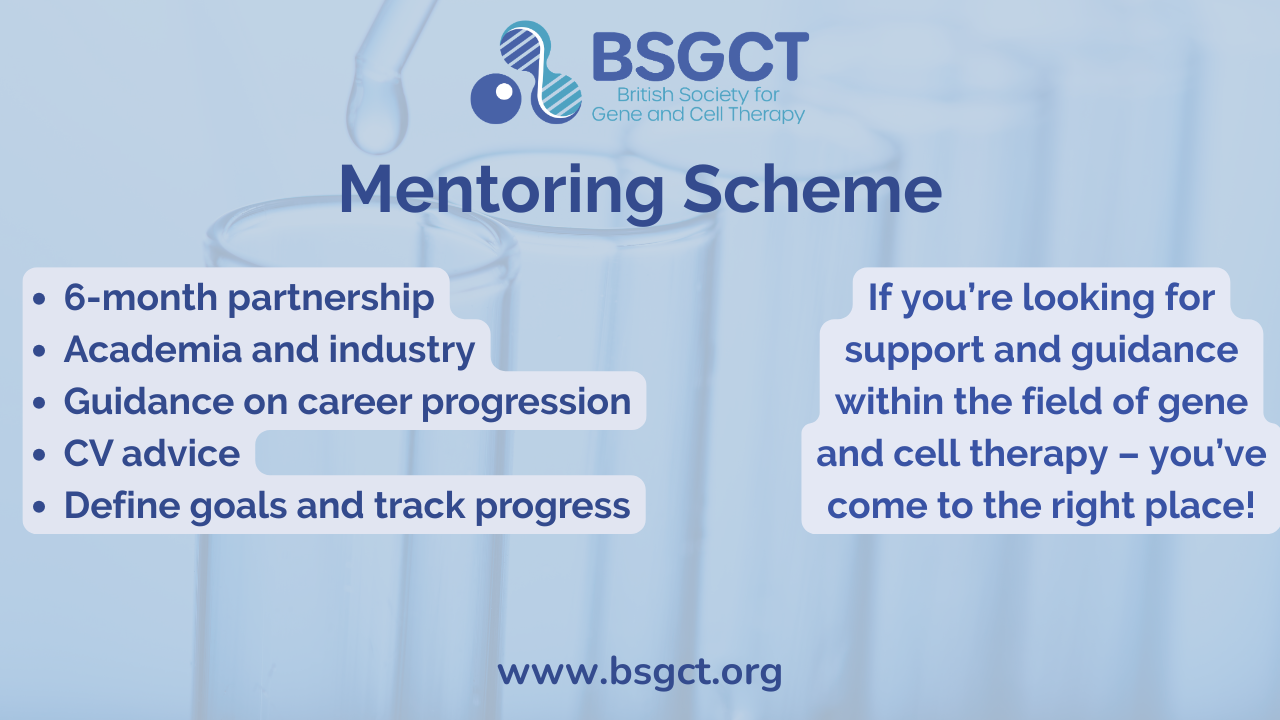
The BSGCT Mentoring Scheme pairs an early career gene and cell therapy professional with a more senior member of the community for a six-month, mentee-led partnership. The scheme includes a minimum of two online meetings, with mentees responsible for scheduling, goal setting and follow-up activities. Mentors provide guidance on career development, progression and professional goals, while also benefiting from the opportunity to share their experiences and gain new perspectives.
Who is this scheme for?
This mentorship scheme is targeted to early career researchers (ECRs), defined as any individual actively engaged in research within the field of gene and cell therapy who is at an early stage of their career. This includes individuals working within industry from apprentices up to but excluding those in a senior research leadership role; and individuals in academia from graduate students up to but excluding those who have a permanent position.
All mentee applicants are required to be current members of BSGCT.
Why have a mentor?
We have mentors in a range of gene and cell therapy-related fields. There are many benefits to having a mentor, including:
– Advice from someone who has been in your career stage
– Increased networking within your field and encouragement to build supportive connections
– Gain a fresh perspective from a positive role model
– Guidance on career progression
– Opportunities for confidential review of CV, job, and grant applications
– A safe place for reflection and support
– Be supported in your career goals while receiving honest feedback in a trustworthy environment
– Learn about all the opportunities the BSGCT has to offer
– Support with scheduling and balancing responsibilities
– Grow in confidence, experience, and challenge any limiting beliefs you may have
How to apply
More information will be released in October 2026.
Applications to open in October 2026.
Deadline: Monday 30th November 2026
If you are interested in becoming a Mentor, please direct any queries to board@bsgct.org.
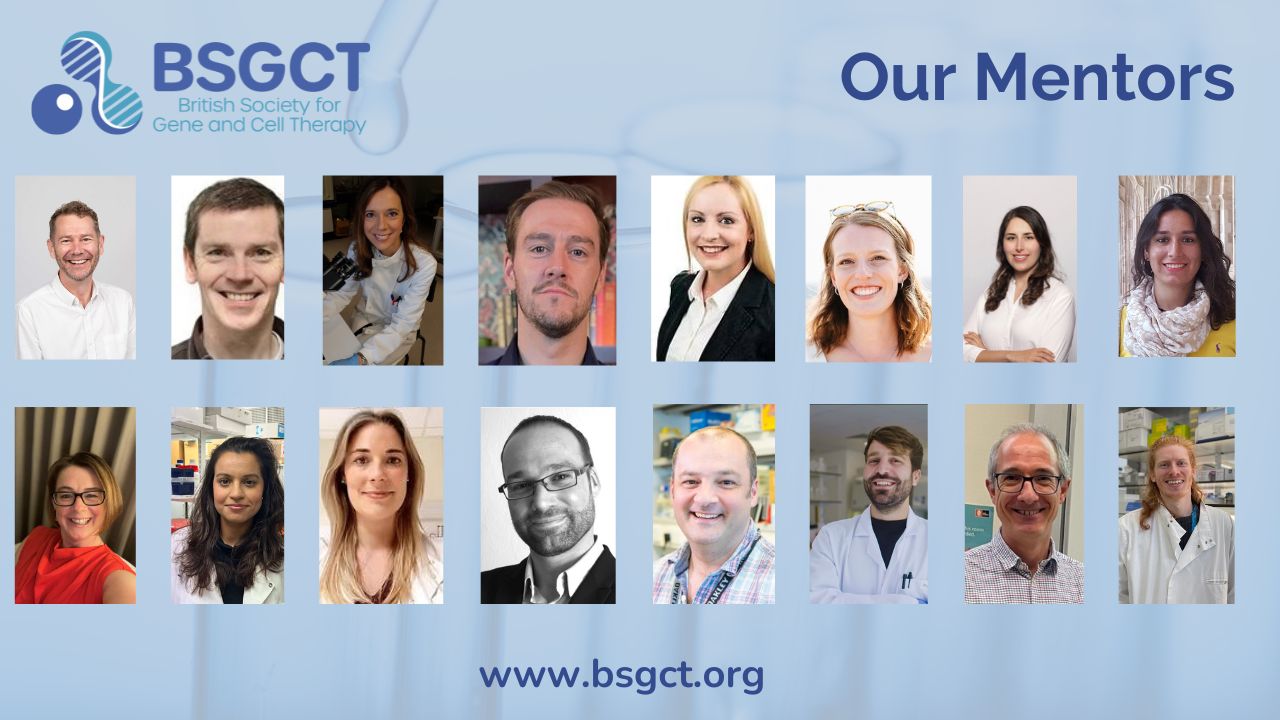
Our Mentors
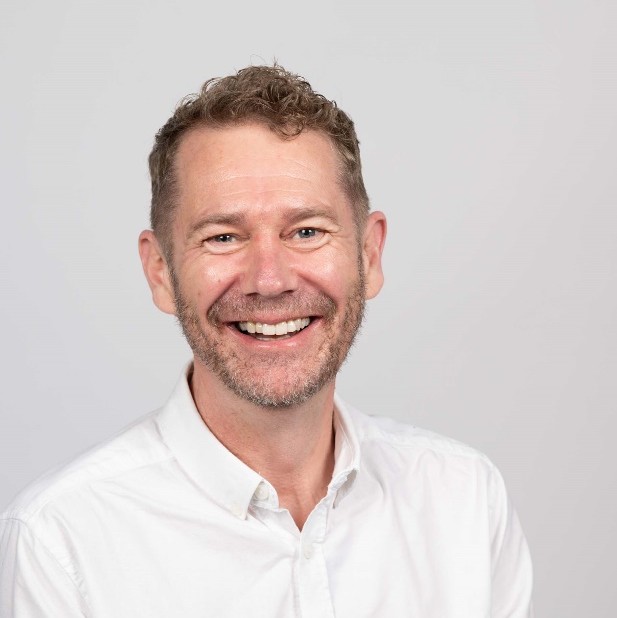
Professor Stuart Nicklin
University of Glasgow
Professor Stuart Nicklin is a Professor of Cardiovascular Molecular Therapy in the School of Cardiovascular and Metabolic Health. After completing his PhD at the Bristol Heart Institute, University of Bristol working on targeting adenoviral gene transfer vectors for cardiovascular gene therapy he then moved to post-doctoral training in the Department of Medicine and Therapeutics at the University of Glasgow. From there Stuart was successful in securing a British Heart Foundation Intermediate Fellowship before an academic position at the University of Glasgow. Stuart has been Principal Investigator on a number of project grants funded by the British Heart Foundation and Medical Research Council and is co-investigator in the BHF Centre of Research Excellence. Stuart is currently Executive Deputy Editor of Cardiovascular Research and on the Editorial Board of Human Gene Therapy, Molecular Therapy, Hypertension and Frontiers in Cardiovascular Medicine- Cardiovascular Biologics and Regenerative Medicine. Stuart is elected to the Executive Board of the British Society for Gene and Cell Therapy as General Secretary.
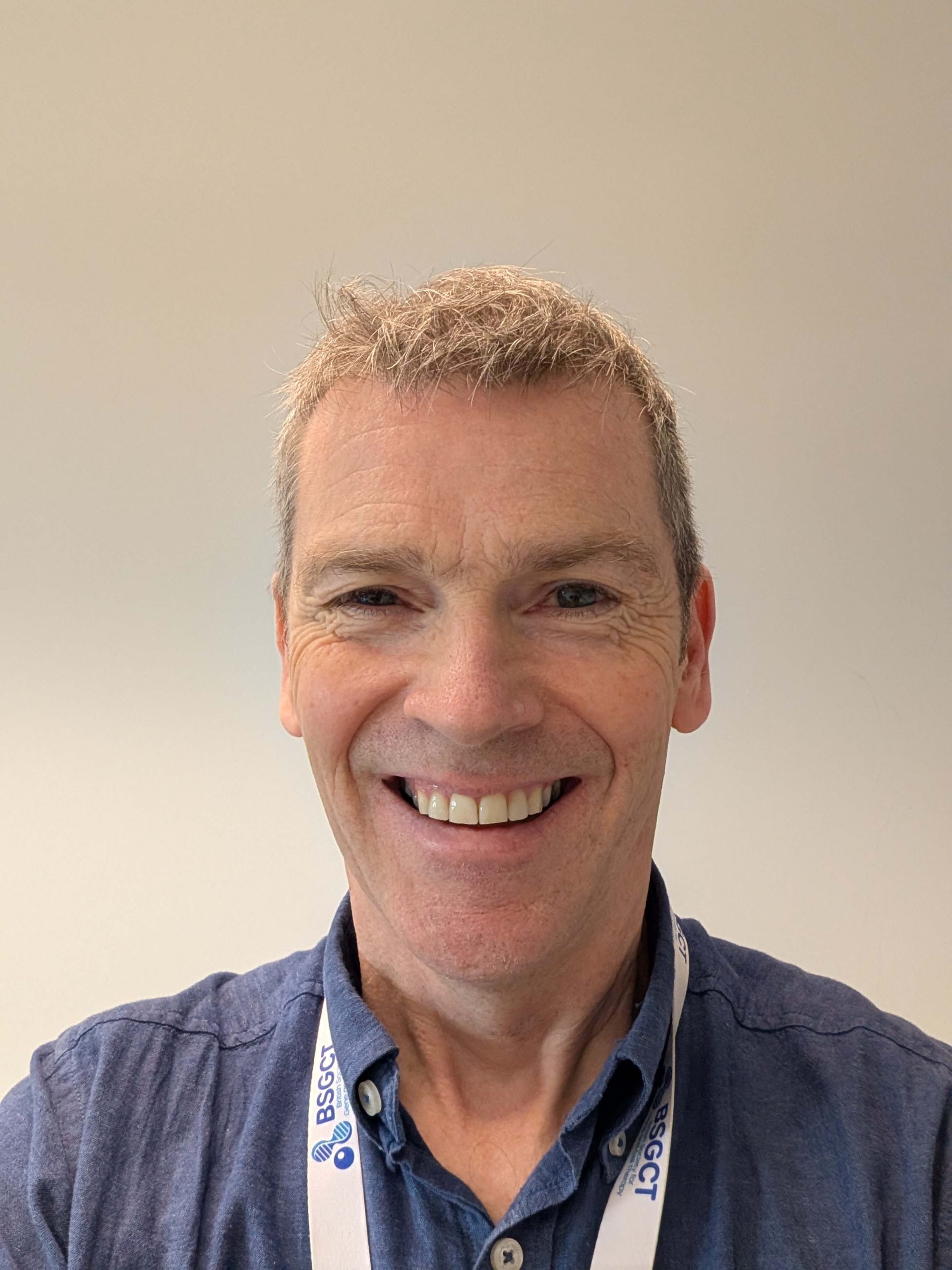
Dr Gerry McLachlan
University of Edinburgh
Dr McLachlan gained his PhD at the Department of Medicine and Therapeutics, University of Aberdeen in 1992. His early postdoctoral research in the lab of Prof David Porteous at the MRC Human Genetics Unit, Edinburgh involved the characterization of a Cystic Fibrosis(CF) Knock-Out Mouse model and the development of Gene Therapy for CF. He was awarded a Wellcome Trust Research Fellowship in 1998 to study beta-defensins in the ovine lung. He continued in the theme of Innate immunity in the lung as an MRC Research Fellow at the Respiratory Medicine Unit, MRC Centre for Inflammation Research. Dr McLachlan then returned to the field of CF Gene Therapy and moved to the School of Veterinary Medicine in the position of Senior CF Trust Research Fellow (in 2002) within the UK Cystic Fibrosis Gene Therapy Consortium, a collaborative program involving groups at the University of Oxford and Imperial College London. Dr McLachlan is now a member of the Consortium Strategy Group.
The main focus of this research has been developing the sheep lung as a model for pre-clinical development of CF gene Therapy protocols to evaluate both safety and efficacy of candidate gene transfer agents. These studies fomed a significant part of the Investigators Brochure submitted to the MHRA in support of the recently completed large-scale multi-dose clinical trial in CF patients which reached its primary endpoint with a significant beneficial effect in lung function compared with placebo.
Dr McLachlan is currently a Group Leader at The Roslin Institute where he has developed an interest in other models of respiratory disease/biology and in particular the application of large animal models, building on the considerable expertise developed through the UK CF Gene Therapy consortium funded work.
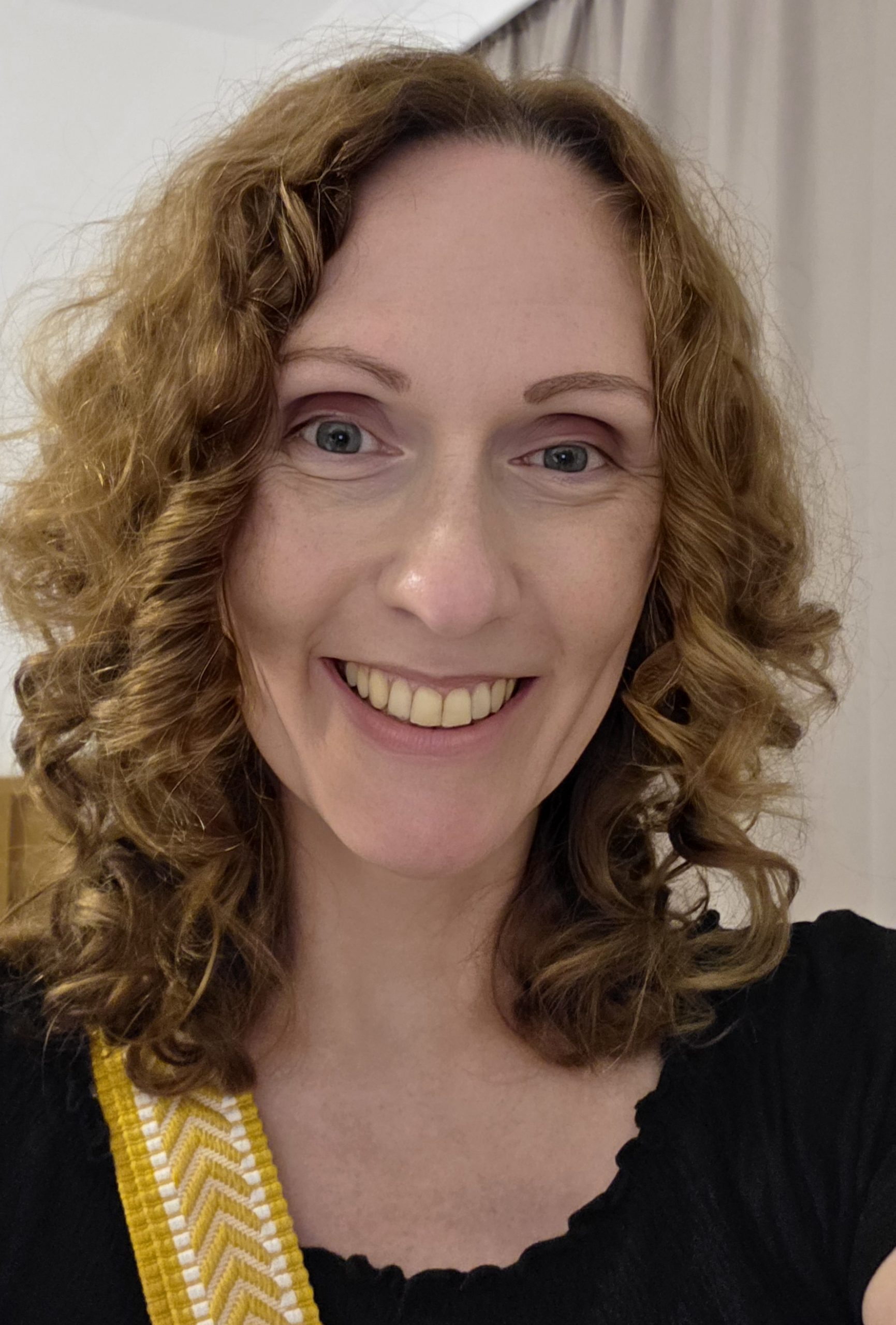
Dr Rebecca Bayliss
Cardiff University
I am a post-doctoral researcher at Cardiff University within the Viral Immunotherapies and Advanced Therapeutics Laboratory (VITAL). I have a PhD in Molecular Virology and several years post-doctoral experience in both industry and academia. My current research centres around the development of oncolytic Adenoviruses that target cancer through precision engineering for use as an advanced therapeutic for the treatment of difficult to treat solid cancers such as pancreatic, head and neck, ovarian and brain cancers. I am particularly interested in developing these precision viruses to delivery immune modulating anti-cancer therapeutics to encourage a robust immune response at tumour sites, effectively creating an ‘in tumour’ therapy and reducing the toxic side effects of treatment. I have expertise in a range of molecular biology techniques, immune co-culture assays as well as previous experience in host cell-virus interactions advanced imaging techniques including confocal microscopy.
I am particularly motivated by interdisciplinary research environments that combine my expertise and have a passion for translational research and the development of new, more effective, and kinder treatments for cancers with poor prognosis to better the lives of patients. As a mentor I can offer a wealth of experience spanning both industry, translational and academic research, and multiple approaches to get the best out of your career which ever path it may take.
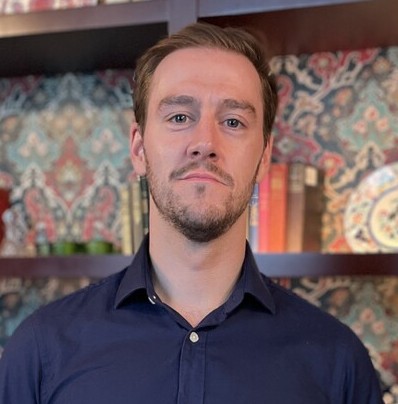
Dr Alex Baker
Cardiff University
Dr. Alexander Baker is a targeted medicines specialist focusing on oncology and rare diseases, and a BSGCT Board member. His career spans academia and industry, including leading R&D teams at an Oxford start-up advancing a novel viral vectored cancer drug to MHRA-approved clinical trials in early 2025. Previously, he was an early employee at an antibody engineering start-up, developing reagents which are now standard in the field. From 2020-2022, Alex was at the Mayo Clinic, where he headed clinical translation studies on oncolytic viruses and led the discovery of adenovirus COVID vaccine side effect mechanisms, supported by AstraZeneca. He continues to supervise PhD students and collaborate with Cardiff University and the Mayo Clinic.

Dr Carly Bliss
Cardiff University
Dr Carly Bliss is a Teaching and Research Lecturer at Cardiff University, with a keen interest in mentoring both doctoral and postdoctoral Early Career Researchers. Carly´s research interests span the development of vaccines and immunotherapies for infectious diseases and cancer, with the specific application of adenoviruses as viral vectors for the induction of potent cellular immunity. Carly has worked across multiple countries throughout her career with various university affiliations and industry collaborations, and has experience of both basic and translational research. Alongside much of this, Carly sustained a premiership sporting career, and therefore understands the importance of a work-life balance.

Dr Ellie Chilcott
University College London
Dr Ellie Chilcott is a Senior Research Fellow in the Maternal and Fetal Medicine department at UCL. Ellie is working on projects using RNA editing technologies to treat paediatric genetic epilepsies including Dravet Syndrome and other neurological conditions. She also collaborates on pre-clinical gene therapy projects for metabolic and neurodegenerative disorders. Ellie is currently an ECR board member of the BSGCT, a member of the Scientific Advisory Committee for Cavernoma Alliance UK, and the European Dravet Syndrome Advanced Therapies working group.
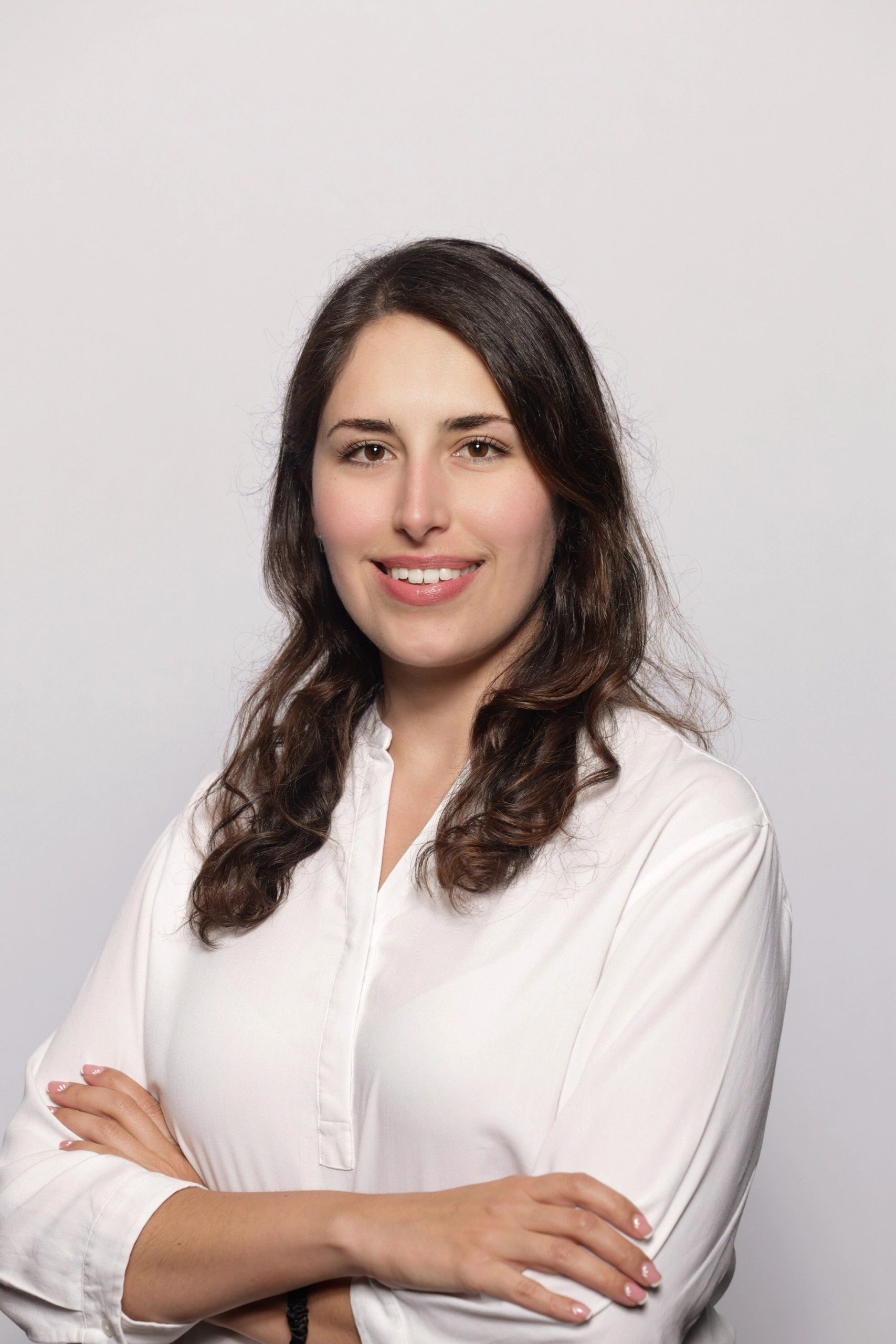
Dr Rebeca Gil Garzon
University College London
Dr. Rebeca Gil is a research fellow at the Genetic Therapy Accelerator Centre at the UCL Queen Square Institute of Neurology. She works on AAV gene therapies for neurological disorders with no current effective treatment. She completed her PhD at Royal Holloway University of London focused on gene editing to treat Duchenne Muscular Dystrophy. She received her MSc on “Genes, drugs and stem cells – novel therapies” at Imperial College London. She studied Biotechnology Engineering for her undergrad, where she developed an interest in novel therapies to treat diseases that had no previous cure. She experienced a few years as an entrepreneur in a biotech start-up before moving to academia. She is currently a board member of the British Society for Gene and Cell Therapies (BSGCT) and co-chairs the Promotions and Communication BSGCT Subcommittee, in addition to being involved in the Early Career Development & Collaboration Subcommittee. She has interest in supporting translation of novel therapies, spreading the word on gene & cell therapies to the public and helping early career researchers to get involved in the field.

Dr Zoe Hewitt
Regenerative Cell Therapy Consulting Limited
Dr Zoe Hewitt has a background in Pluripotent Stem Cells, which started in 2001 when she obtained her PhD from the Roslin Institute/ University of Edinburgh.
After completing her studies, she worked with a team developing differentiation protocols for hepatocytes, before moving to the University of Sheffield in 2006, where she established and managed a clean room facility, which was responsible for deriving the UKs first clinically available human Embryonic Stem Cells (MasterShef lines 1 to 14). Within this facility, Zoe and her team were responsible for delivering the starting master cell banks (Shef1) for the London Project to Cure Blindness. This resulted in the first successful UK clinical trial of an hPSC-derived retinal pigment epithelium (RPE) cell replacement therapy.
In 2015, Zoe moved away from active research becoming a Project Manager for the UK Regenerative Medicine Platform (UKRMP), firstly for the Pluripotent Stem Cell Platform (PSCP) winning the UKRMP Special Merit Award in 2017 and then for the Pluripotent Stem Cell and Engineered Cell (PSEC) Hub. The goal of the UKRMP Hubs was to advance regenerative medicine therapies by delivering innovative approaches to the rate-limiting steps of hPSC-based cell replacement therapies to enable clinical delivery and commercial development. As part of the sustainability strategy for UKRMP, Zoe co-founded and is the CEO of Regenerative Cell Therapy Consulting limited in May 2022, which aims to assist academic research to transition from laboratory research, through to translational development, and to provide support to help them implement strategic visions which will ultimately enable them to bridge the valley of death and secure translational or commercial funding.
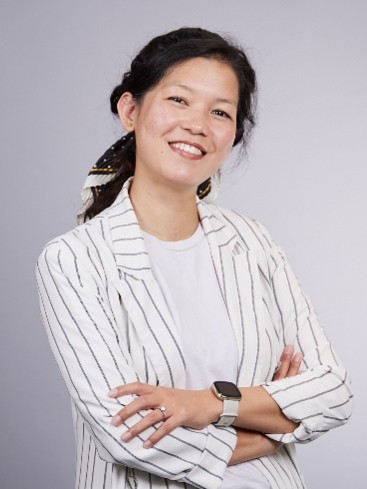
Dr Sonam Gurung
University College London
Dr Sonam Gurung is a Senior Postdoctoral Researcher at the Great Ormond Street Institute of Child Health, University College London (UCL), where she investigates innovative non-viral gene therapies for rare paediatric disorders. Her research focuses on the development of mRNA–lipid nanoparticle (LNP) therapeutics for inherited metabolic and neurological disorders.
Alongside her research, Sonam joined the BSGCT board in May 2026 and has since been leading the Patient and Public Engagement (PPE) sub-committee, having previously served on the BSGCT PPE Sub-Committee. She is also a member of the GOSH BRC PPIE working group and leads two MSc modules at UCL Great Ormond Street Institute of Child Health.
Sonam received her PhD in Biochemistry from the University of Bristol in 2018 under the supervision of Professor Jeremy Henley. She subsequently undertook a nine-month fellowship supported by the Elizabeth Blackwell Institute before continuing her postdoctoral research career at UCL.
Through the BSGCT mentoring scheme, Sonam is particularly interested in supporting early-career researchers navigating careers in gene and cell therapy, including research development, translational science, public and patient engagement, and building a broader academic career alongside research.
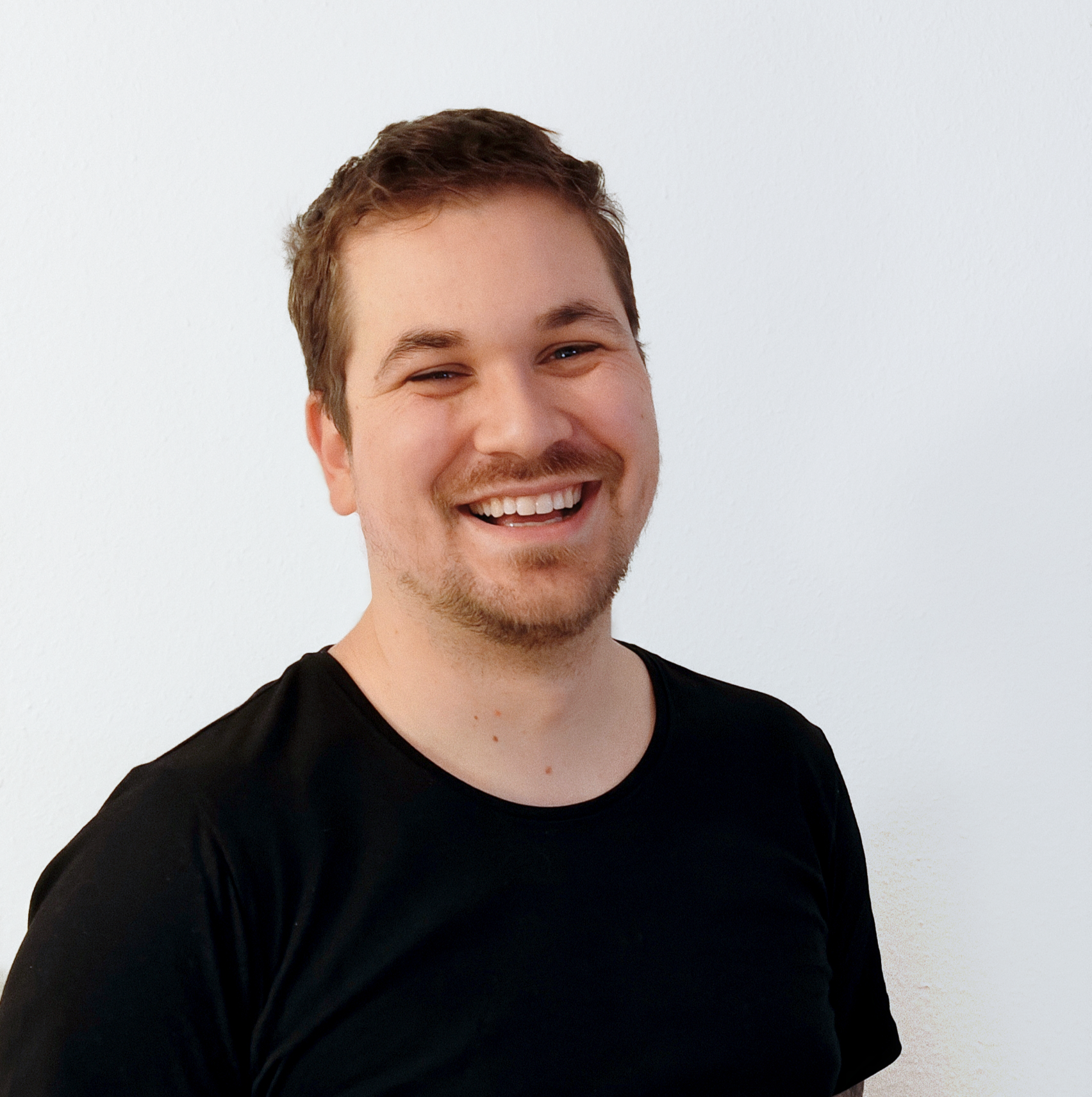
Dr Julian Fischer
Cardiff University
Dr Julian Fischer recently joined Cardiff University as a Postdoctoral Research Associate, working on novel immuno-virotherapies for cancer therapy. He finished his PhD in Biology at the Albert-Ludwigs-University Freiburg, Germany in 2024, focussing on advanced molecular biology workflows and integrating bioinformatic modelling after obtaining his MSc in Biology with a focus on immunology and his BSc in Translational Biotechnology. His current research projects focus on combining wet lab and bioinformatic approaches to streamline functional high-throughput screening and finding synthetic protein binders. Julian cares deeply about making science and research a more welcoming and supportive environment for students and junior researchers. Julian has combined experience in both fundamental and translational academic research and in in industrial settings.
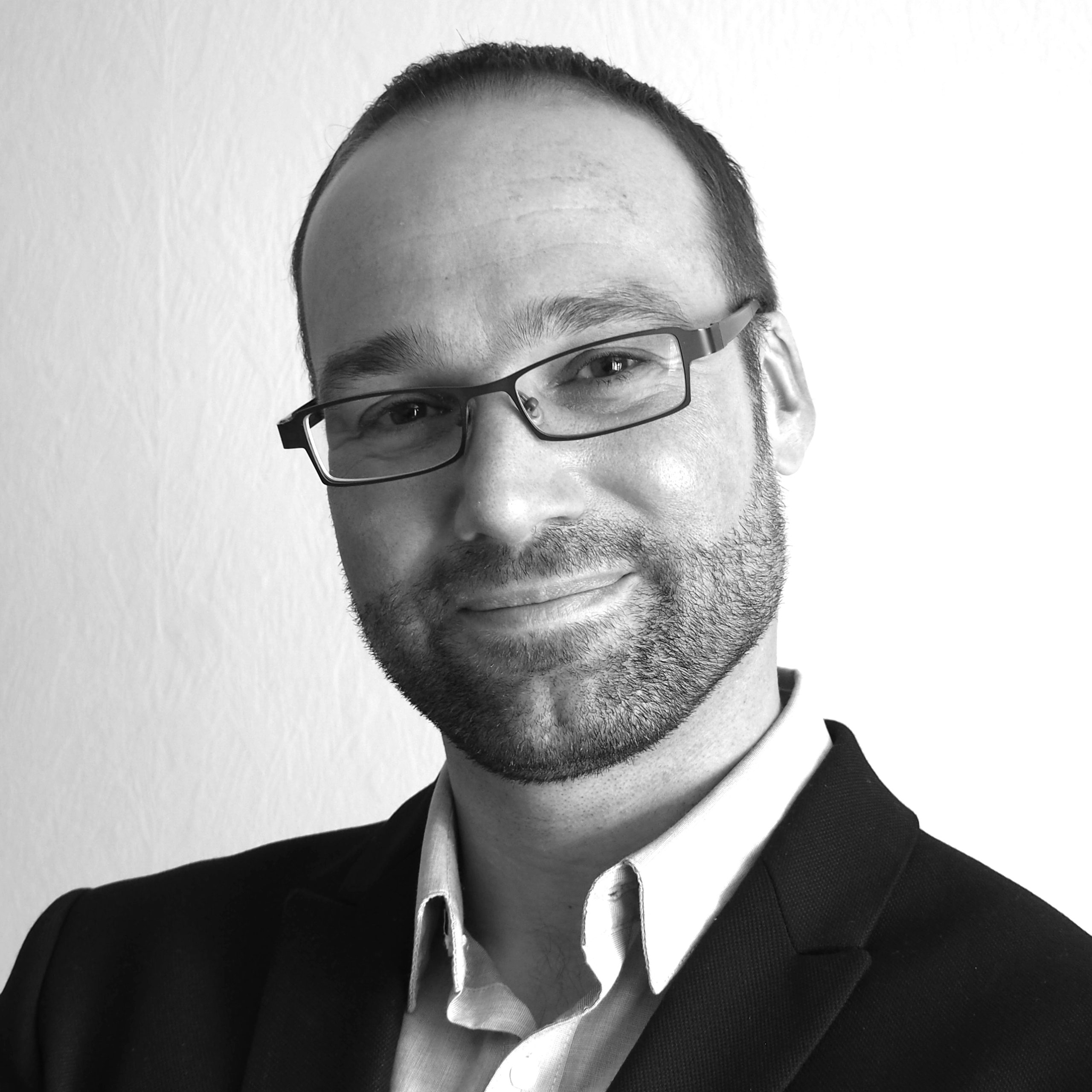
Dr Florian R Merkle
University of Cambridge
Dr Florian Merkle is a group leader at the University of Cambridge and has benefitted from mentoring throughout his career and strongly believes in “paying it forward” to the next generation of researchers. His research interests include human pluripotent stem cell genomic stability and differentiation to target cell populations for use in research and clinical application. Specifically, Florian is interested in modelling neurological diseases in vitro, and translating those insights into animal models and ultimately into therapies. As an immigrant from central Europe who grew up in the US and has worked California, Boston, and the UK, Florian has a perspective on different research cultures as well as the challenges and benefits of moving outside of one’s comfort zone to build new networks that have allowed him to collaborate widely with academic and industrial partners across Europe and the Americas. Florian is also attuned to the mental health challenges that often arise in high-pressure and elite institutions, and believe that a well-articulated personal development plan is the best way to obtain long-term professional development.
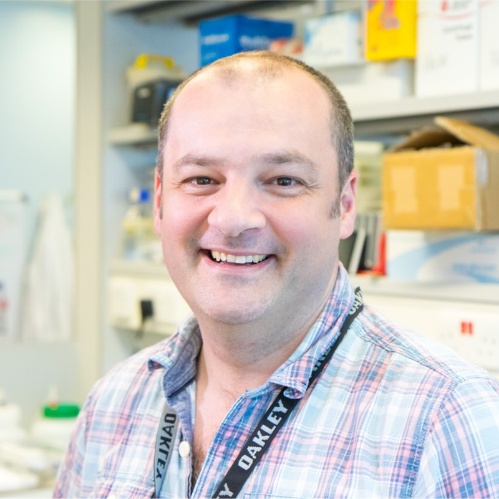
Professor Alan L Parker
Cardiff University
Alan Parker is Professor of Translational Virology and Head of Solid Cancers at Cardiff University School of Medicine. Previously, he was a Royal Society of Edinburgh Fellow at the University of Glasgow and a postdoc at King’s College London, with a PhD from Birmingham. He specializes in developing gene and cell therapies for diseases with high unmet need, focusing on engineering adenovirus platforms to deliver targeted DNA payloads. His team’s lead anticancer technology, targeting the αvβ6 integrin, is licensed to Accession Therapeutics and entered early clinical trials in 2025, where he serves as Chief Scientific Officer.
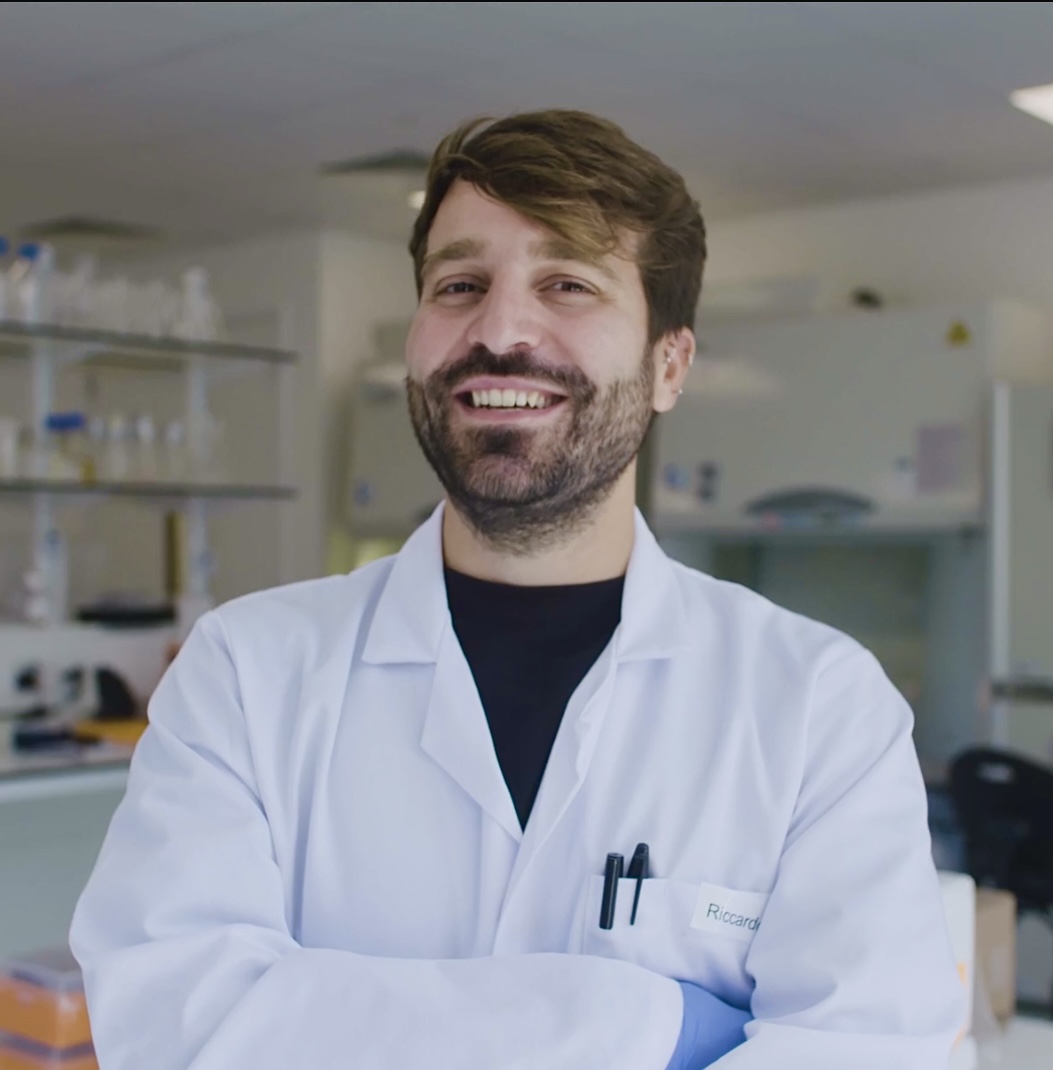
Dr Riccardo Privolizzi
University College London
Dr Riccardo Privolizzi is a Senior Research Fellow in the Genetic Therapy Accelerator Centre at the UCL Queen Square Institute of Neurology. He’s also an Associate Lecturer in Gene Therapy within the UCL Division of Surgery and Interventional Science and GOS Institute of Child Health, and an Honorary Research Fellow at the UCL EGA Institute for Women’s Health. Riccardo specialised in the characterisation of novel synthetic promoters and translational AAV gene therapy of a mouse model of infantile parkinsonism-dystonia. He has a keen interest in the identification and development of novel gene regulatory elements for selective targeting of specific cell types, and is passionate about teaching and science communication. Riccardo started working in neurological gene therapy using lentiviral vectors and induced pluripotent stem cell-derived neurons. Between his MSc and PhD, he worked as a research assistant across a range of academic laboratories. He then pursued a UCL “Impact” PhD in collaboration with AskBio Europe and continued working in industry on the development of AAV gene therapies for neural circuits before returning to academia. Riccardo has experience in supervising BSc and MSc students and as a PhD mentor. He can offer mentoring for Early Career Researchers considering career options between academia and the industry sector.
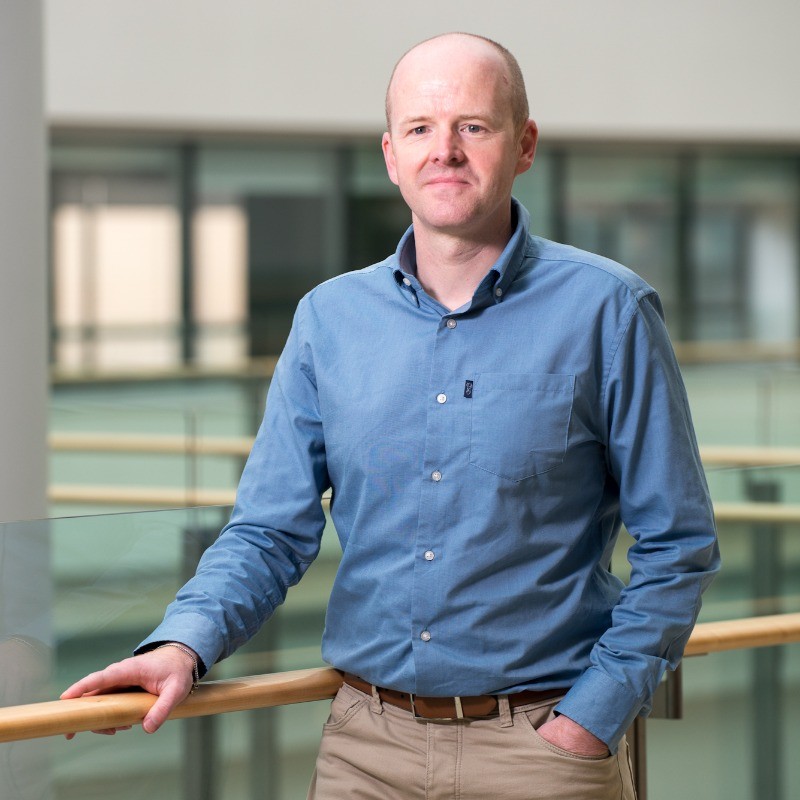
Dr John Bridgeman
Immunokey
Dr. John Bridgeman is a highly accomplished immunotherapy expert with a 20 year history converting scientific ideas into tangible therapies, currently working as Chief Scientific Officer at Immunokey. John has a PhD from the University of Manchester and further post-doctoral training at Cardiff University with a strong background in T-cell biology and adoptive T-cell therapies. John established and led the R&D team at Immetacyte/Instil Bio UK, developing novel gene engineering strategies, managing IP portfolios, and driving projects from concept to clinical execution. He has made significant strides in advancing cell-based therapies, with a proven track record in patent filings, generating novel concepts, and progressing them through to phase 1 clinical trials. Passionate about scientific discovery, John thrives on translating research into real-world therapeutic solutions. With a strong track record in securing funding, leading teams, and fostering collaborations, John is committed to advancing T-cell therapies and shaping the future of immuno-oncology.
Dr Natalie Francis
Kings College London
Dr. Natalie Francis is the Head of Process Development for Ocular Cell Therapies at King’s College London, leading translation of a pluripotent stem cell-derived photoreceptor cell therapy for the treatment of retinal degeneration and overseeing all aspects of product development and GMP manufacturing. She has been working in the cell and gene therapy space for over 15 years in both industry and academia, completing a PhD at Imperial College London focussed on pluripotent stem cells to treat type 1 diabetes before joining the Cell and Gene Therapy department at GSK in 2014 to work on process development for genetically modified haematopoietic stem cell therapies for rare genetic diseases (including the licensed products Strimvelis and Libmeldy), and T cell therapies for cancer (including Lete-cel). She has experience in both early- and late-stage development of cell and gene therapies.
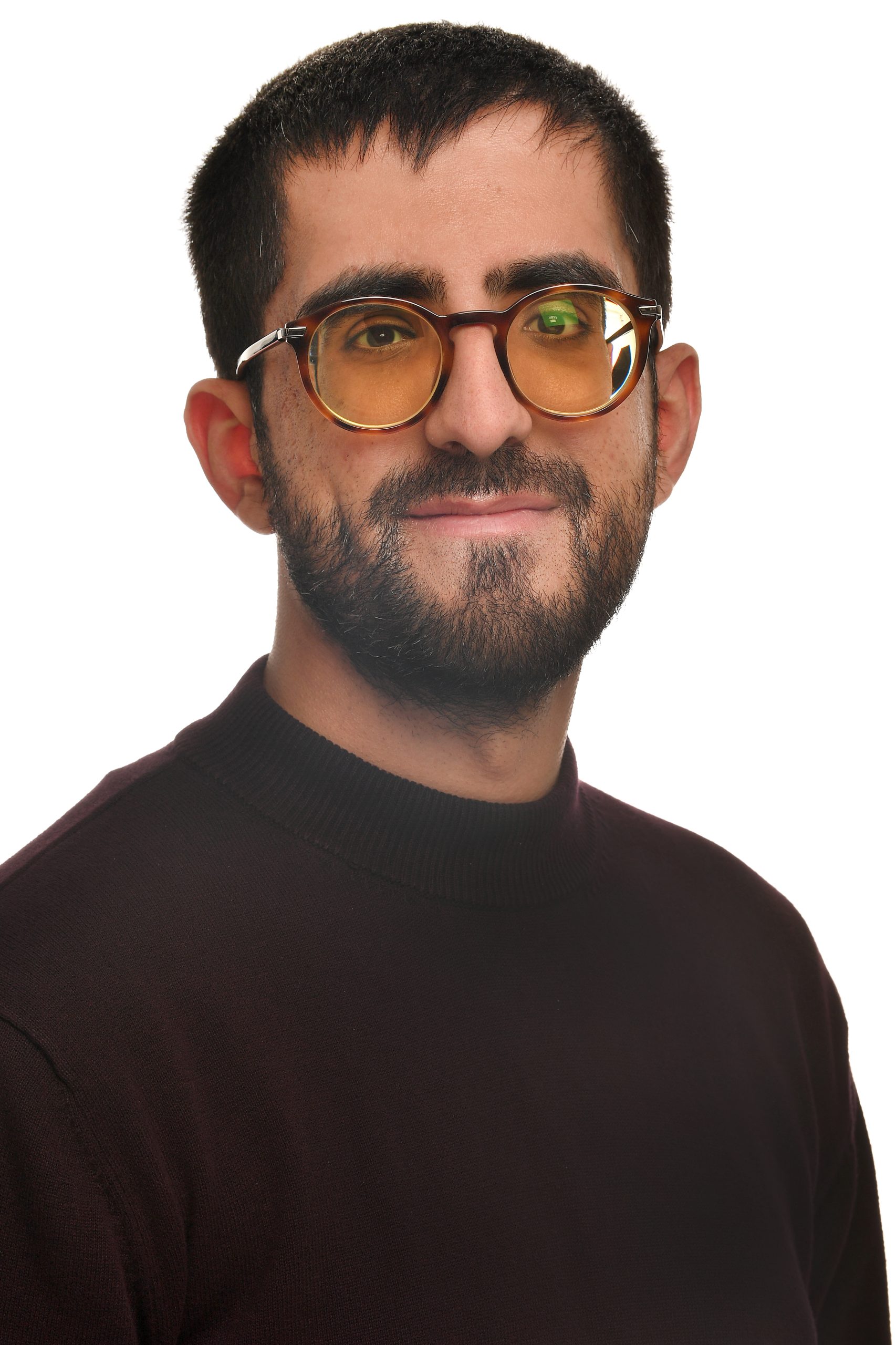
Dr Saqlain Suleman
Anglia Ruskin University
Dr. Saqlain Suleman is a Senior Lecturer in Biomedical Science at Anglia Ruskin University, where he leads a research programme focused on the development and safety of gene therapy products. After completing his PhD at Brunel University of London in Professor Michael Themis’ laboratory, working on gene therapy vector development and safety, he continued as a Postdoctoral Research Fellow at Brunel as well as working in industry as Principal Scientific Officer at TestAVec. Saqlain has expertise across viral vector production, purification and the assessment of viral vector genotoxicity using human induced pluripotent stem cell-based models and next-generation sequencing. Saqlain has been Principal Investigator on a number of research and commercially funded projects, including awards from Innovate UK, the British Society for Gene and Cell Therapy, TestAVec and N4Pharma. Since joining ARU, he has established an independent research programme and developed collaborations with academic and industry partners focused on translating innovative approaches into the development of safer and more accessible gene and cell therapies. Saqlain continues to supervise PhD and research students in his lab and is particularly interested in strengthening academic-industry partnerships and developing his research programme towards the translation of novel technologies into the advanced therapies pipeline.Having benefited from mentorship in his career, Saqlain strongly believes in helping the early career researchers develop their own niche.

Professor Rafael J. Yáñez-Muñoz
Royal Holloway University of London
Professor Rafael J. Yáñez-Muñoz is Professor of Advanced Therapy and Director of the Royal Holloway Centre of Gene and Cell Therapy at the Department of Biological Sciences, Royal Holloway University of London, UK. Rafael received his BSc and PhD in Biochemistry and Molecular Biology from the Autonomous University of Madrid, Spain. Following appointments with MRC/Imperial College, University College London, Queen Mary’s University of London and King’s College London, he now leads the Advanced Gene and Cell Therapy lab (AGCTlab.org) at Royal Holloway. He is also the current President (2021-2025) of the British Society for Gene and Cell Therapy. Rafael was Editor-in-Chief of Gene Therapy (2017-2020), where he promoted the internationalization of the journal and equality in senior editing roles and the editorial board. Rafael also believes it is very important to engage with the wider society, was a Trustee and then Chair of Trustees of the Genetic Alliance UK (2015-2020) and has organised a yearly outreach event on Rare Disease Day from 2011.
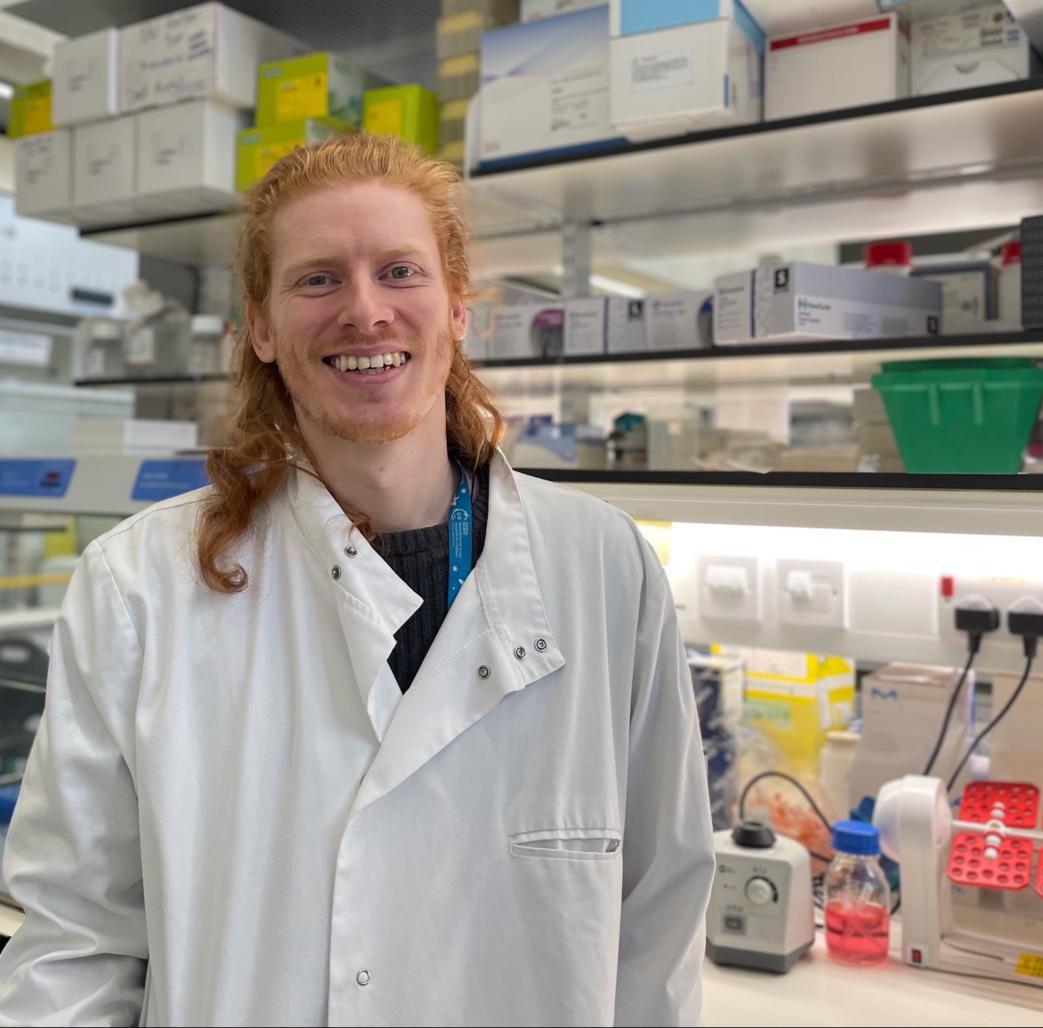
Dr Nathan White
University College London
Dr Nathan White completed his PhD in 2020 at the University of Aberdeen, specialising in stem cell biology and regenerative medicine. He is currently a Senior Research Fellow at University College London, working with Dr Giandomenico Turchiano and Professor Adrian Thrasher on the development of advanced gene therapy strategies for primary immunodeficiency disorders. Nathan’s research centres on enhancing the safety of genome editing technologies, with a particular focus on designer nucleases such as CRISPR-Cas9. He leads efforts to develop platforms to detect genomic aberrations and monitor genome integrity following editing. His work also explores the temporal dynamics of DNA repair pathways and nuclease activity, providing crucial insight for improving the safety and precision of emerging gene therapies. As a mentor, Nathan is passionate about supporting early career researchers in navigating both the technical and professional aspects of academic science, and welcomes mentees specifically interested in gene editing/therapy, translational research, and regenerative medicine.
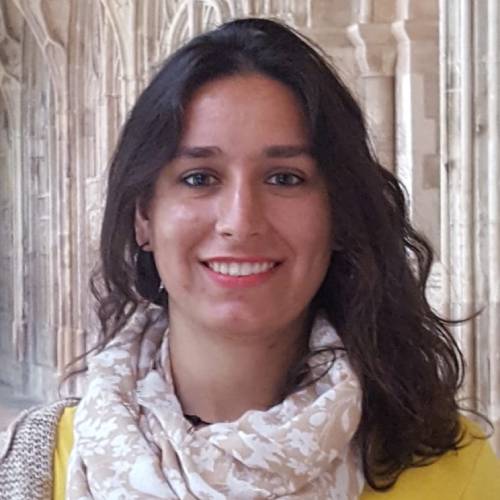
Dr Alicia Teijeira Crespo
Cardiff University
Dr. Alicia Teijeira Crespo is a postdoctoral researcher at Cardiff University, where she also completed her PhD. Her current work focuses on developing novel immuno-virotherapies for cancer treatment. She obtained her BSc in Biotechnology and a Diploma in Advanced Methodologies in Scientific Research from Francisco de Vitoria University, where she also completed an MSc in Advanced Therapies and Biotechnology Innovation. Alicia has research experience in both the UK and Spain.